Anyone looking at today’s risk landscape quickly gets the impression that many factors are shifting at once. Megatrends—profound developments that unfold over decades and affect all areas of life—are currently having a particularly strong impact on both the economy and society. While these trends are fundamentally neutral, they bring both risks and opportunities, especially for internationally active companies such as UNIQA. Geopolitics is a prime example.
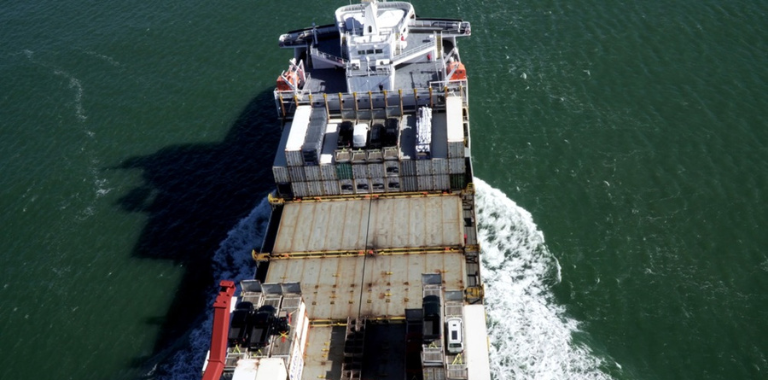
A military conflict in the Middle East, tensions along global trade routes, or new sanctions between major economic powers—geopolitical developments are more than just headlines. The ongoing war in Ukraine, political tensions in Hungary, and the fragile domestic and foreign policy situation in Serbia are all influencing risk assessments and investment decisions across the region. Their effects are often rapid and unexpected, impacting financial markets, energy prices, supply chains, and regulatory frameworks. What happens internationally can have real economic consequences within hours. The key question today is no longer whether geopolitical developments matter, but how to manage them effectively.
Within Risk Management and the relevant partner functions, teams continuously assess current developments and their potential medium- and long-term implications for the economy, markets, and portfolios. “Concrete precautionary measures include regular scenario analyses and stress testing—such as modeling market shocks—clear exposure limits for particularly affected countries or sectors, and the ongoing adjustment of underwriting, pricing, and reinsurance coverage,” explains Petra Schönbauer, Head of Qualitative Risk Management. “In addition, capital and liquidity planning, crisis management, and business continuity processes are structured to ensure that liquidity and operational capability are maintained at all times, even in the face of sudden market disruptions.”
Indirect Impact Through Market Volatility
Taking the current example of the Iran conflict, developments in financial markets suggest that, at least for now, market participants are assuming a temporary escalation. However, prolonged disruption of key energy routes has proven highly problematic in the past. During the blockade of the Strait of Hormuz in the 1980s, there were significant price spikes and increased volatility in financial markets. Even if UNIQA is not directly exposed economically—for example, through assets in the region—rising energy prices, uncertainty in global trade, and short-term increases in market volatility still influence the overall environment. For instance, higher claims inflation may potentially affect insurance portfolios.
Opportunities in Investments and Core Business
“Experience shows that geopolitical crises tend to cause short-term fluctuations rather than lasting disruption,” says Wilhelm Schäfer, responsible for Public Markets at UNIQA Capital Markets (UCM). Strategic asset allocation is designed to limit major financial risks arising from so-called black swan events—sudden and largely unpredictable crises—or from prolonged market downturns. Based on financial models and quantitative methods, portfolios are structured to manage risks in a balanced way over the long term, ensuring stability even during uncertain market phases while still capturing potential opportunities.
“In challenging market conditions, liquid, high-quality bonds or defensive infrastructure assets often benefit from increased demand,” notes Wilhelm Schäfer. “At the same time, broader credit markets or selected equity segments may present attractive entry points.”
Opportunities can also arise within the core business. In periods of heightened uncertainty, the demand for protection, guidance, and active risk advisory typically increases. For insurers, this can open up possibilities for targeted product and service adjustments, risk-adequate repricing, and selective growth in less exposed segments.
Strengthening Resilience for the Future
Addressing the potential consequences of megatrends means building resilience. For a company like UNIQA, this involves positioning itself as robustly as possible, analyzing scenarios at an early stage, and continuously strengthening its resilience. The better prepared we are, the more effectively we can limit potential risks to our strategic objectives—and continue to operate successfully in an increasingly fragile environment.