Courage in Choosing a Career: Why Role Models Are Crucial for Girls
Although there are more programs available today than ever before, many girls lose interest in math, technology, and the natural sciences at a young age. What does it take for girls and young women to actively choose a career in STEM fields (science, technology, engineering, and mathematics)? Stefanie Blaschke, Head of Group People Analytics at UNIQA, has been advocating for greater visibility of women in STEM for years—both professionally and personally. An interview about the importance of visibility, how early influences shape us, and what families, schools, companies—and every single person—can do to empower girls and young women to pursue technical careers.
How do you currently view the situation for girls and young women in STEM fields?
Stefanie: On the positive side, I see that there are now many programs and initiatives specifically focused on girls and women in STEM fields. At the same time, I find it unfortunate that many girls lose interest in or confidence regarding STEM subjects as early as elementary school—often, unfortunately, because parents and their immediate social circle have less faith in the girls.
Why do many girls feel insecure about technical or scientific careers?
Stefanie: In my view, role models and the social environment are crucial. Especially during puberty, belonging to a peer group plays a major role. When other girls lose interest in math or technology, you don’t want to be left out—even if you’re actually interested yourself.
What role do school, parents, and role models play?
Stefanie: I myself underestimated the influence of role models for a long time. It wasn’t until I had my own children that I realized how much of an impact the lack of role models has. Children find it hard to imagine what they don’t see. If girls rarely encounter women in technical professions in books, the media, or in everyday life, these career paths quickly seem unrealistic.
What measures help get girls excited about STEM? And what is your personal contribution?
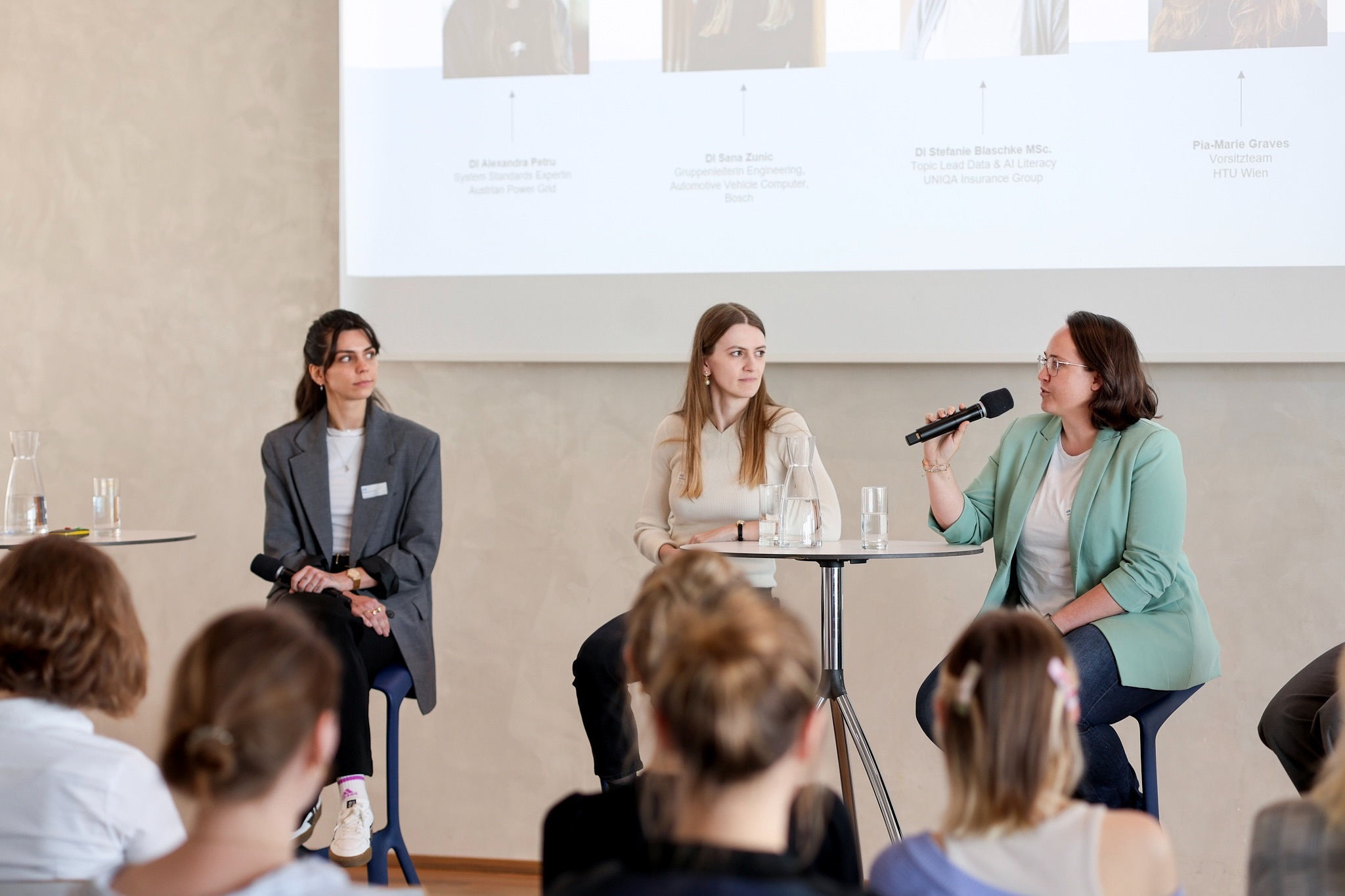
Stefanie: Basically, early exposure, visibility, and positive role models help. Personally, I consciously engage as a role model, for example through TU Impact, and speak more openly about my career path and my work in the IT and data fields.
I read all children’s books to my own children with the genders reversed—in other words, when I read aloud, there are almost exclusively female pilots and doctors.
What strengths do girls bring to technical fields?
Stefanie: I don’t want to reduce this to “girls per se” so as not to create new stereotypes. What matters is diversity as a whole: different backgrounds, perspectives, and experiences make teams stronger.
How can the visibility of women in technical professions be increased?
Stefanie: There are many good initiatives like Women in AI, #thenewITgirls, SHEgoesDIGITAL, and SHEgoesAI, but visibility also requires conscious effort and commitment. Especially in everyday life, such topics are quickly deprioritized—I recognize this in myself as well. This makes it all the more important to get actively involved and stay visible. These initiatives often target a specific audience or generation, but at TU.Impact—where I had the opportunity to participate as a role model for the second time in 2026—there’s a cross-generational approach that also reaches out to schoolgirls.
What advice would you give to a girl who’s unsure but interested in technology?
Stefanie: Definitely give it a try and stick with it. Talking with other girls and women helps a lot. And because technology is extremely diverse, it’s hard to imagine many specific careers at the beginning.
How can companies retain women in technical roles in the long term?
Stefanie: What’s important is a culture of appreciation and a conscious recognition of performance, even for those who aren’t the loudest in the room. Additionally, we need male allies who actively support women, trust in their potential for growth, and don’t just see them as reliable workers.
Was there an experience that particularly showed you the potential of girls?
Stefanie: No, not necessarily a single situation, but rather many everyday observations, including in my personal life. My form of micro-feminism is giving girls Lego sets for their birthdays. Often, it’s the first Lego set the girls receive, and in 99% of cases, they think it’s totally cool and are thrilled.

About Stefanie:
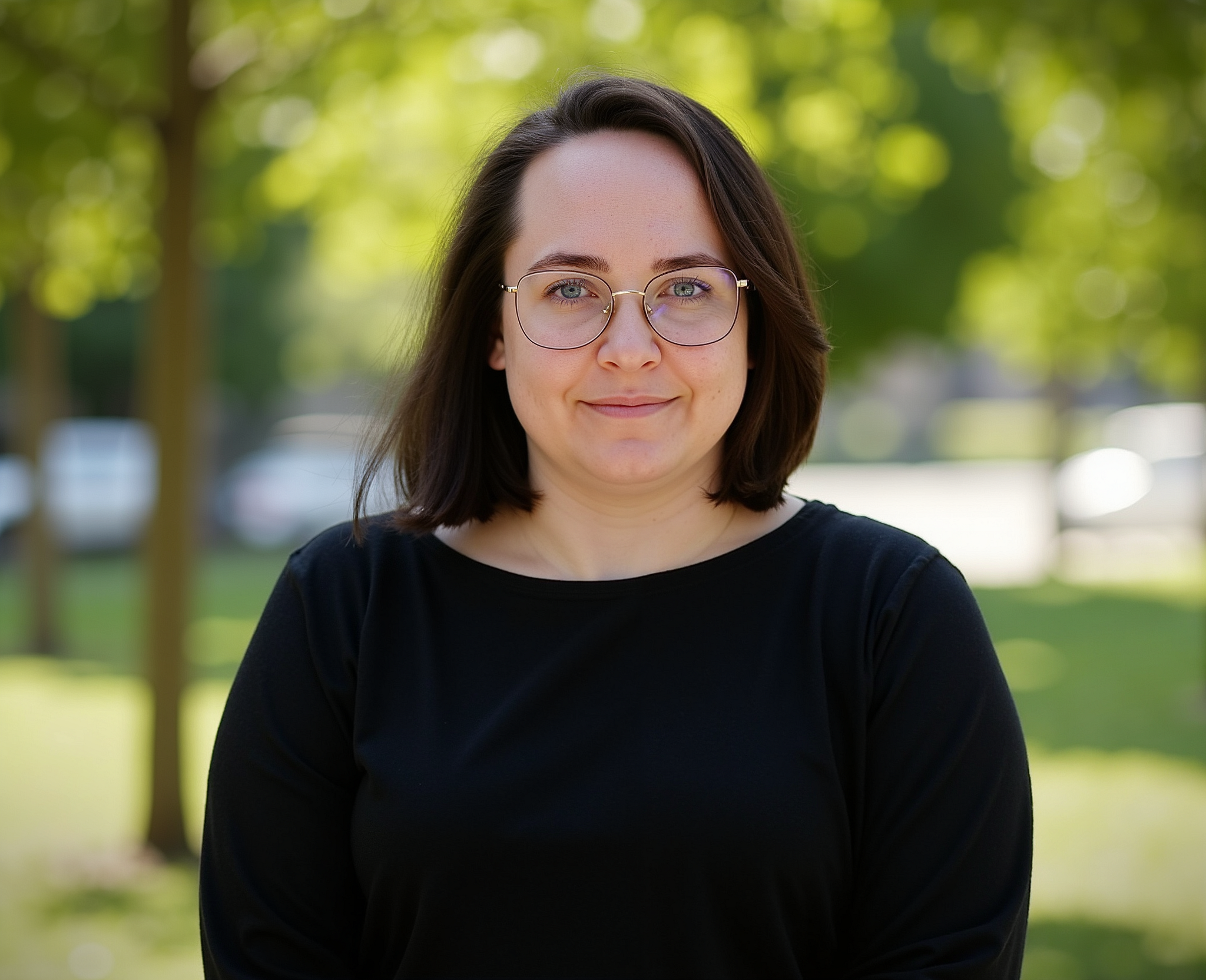
Stefanie is Head of Group People Analytics at UNIQA. She combines strategic thinking with modern analytics, AI, and technology to drive data-driven decision-making in the HR field. Her focus is on creating transparency and delivering real value to the organization. Stefanie works closely with international teams and partners to implement innovative approaches in a tangible and effective way.
You might also be interested in
Sindbad: Mentoring creates opportunities
Read interview
"Employer Branding should be human”